Proactive asset management before cracks compound.
Proactive asset management prevents small cracks from turning into full-scale excavation headaches. The specialized concrete inspection team provides detailed site diagnostic reviews:
- Premises Liability & Trip Hazard Audits
- ADA Code Compliance Scanning
- Drainage Pan & Slope Optimization Walks
- Expansion Joint Breakdown Tracking
- Multi-Family & HOA Common Area Reviews
- Asphalt-to-Concrete Transition Audits
What sets the preventative concrete inspection division apart from commodity construction companies in the Denver metro area.
Ironclad Compaction & PSI Certification Reports
The division eliminates the threat of unexpected structural failure. The engineering team uses independent testing documentation and precise diagnostic tools to audit soil compaction integrity and concrete core strength.
100% In-House Fleet & Crew Deployment
The firm never hands property care over to third-party subcontractors. Every inspector and field specialist is an internally trained, fully insured company employee, guaranteeing total operational accountability.
Elite Adherence to Strict Timelines
Broken communication causes missed defects and budget overruns. The company enforces strict project timelines, providing clear electronic inspection reports rapidly so asset managers can make informed capital deployment decisions.
Asset Value Protection & Preventative Inspections
Free annual inspections catch structural vulnerabilities early, allowing real estate investors to establish budget-friendly, preventative concrete maintenance schedules before emergency teardown costs compound. The main objective remains maximizing long-term property values.
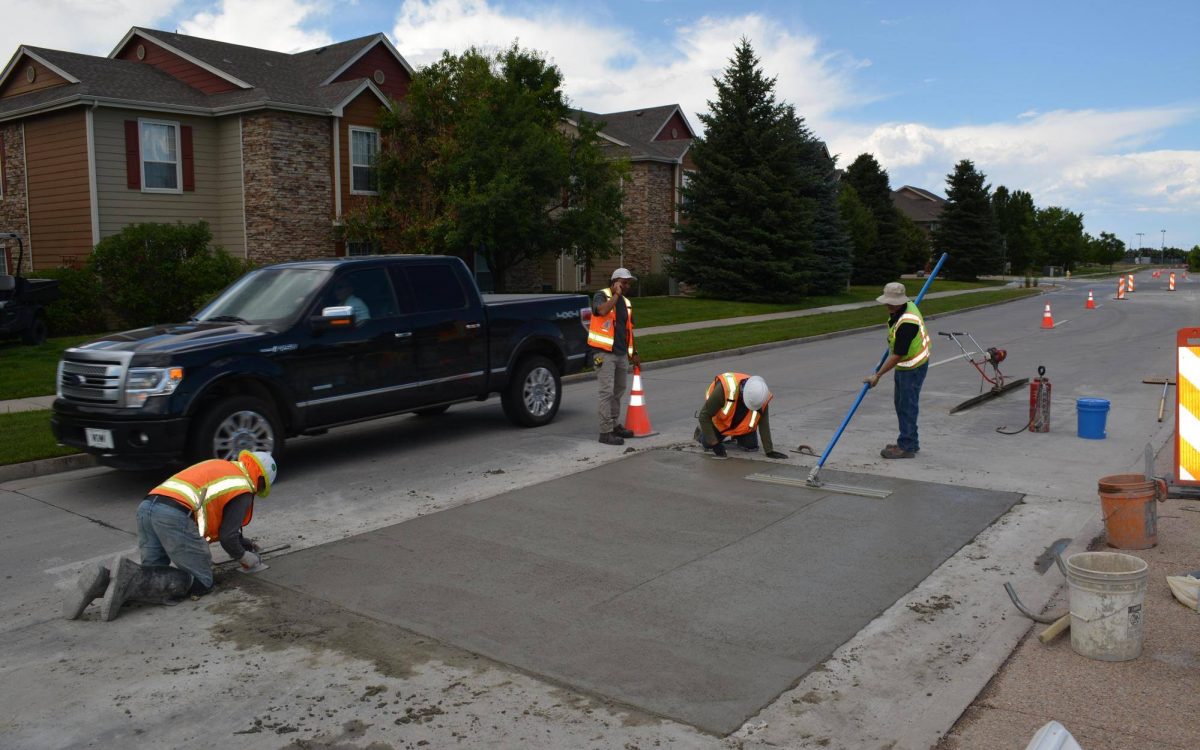
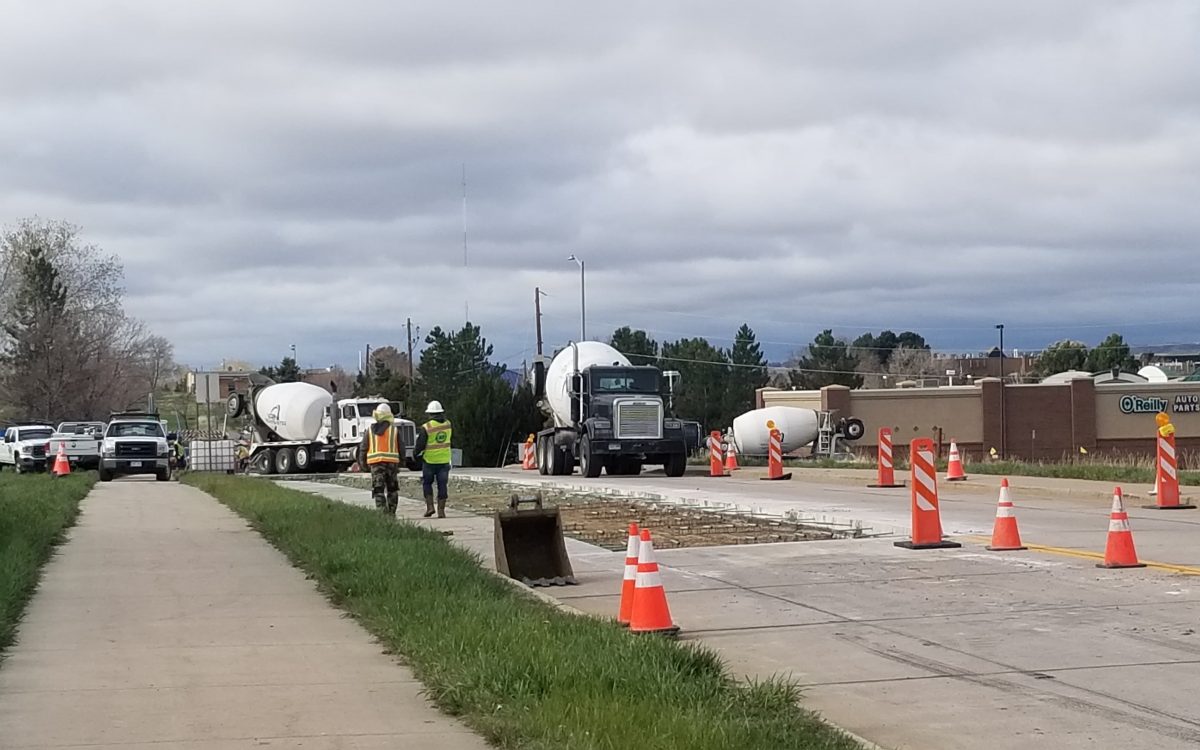
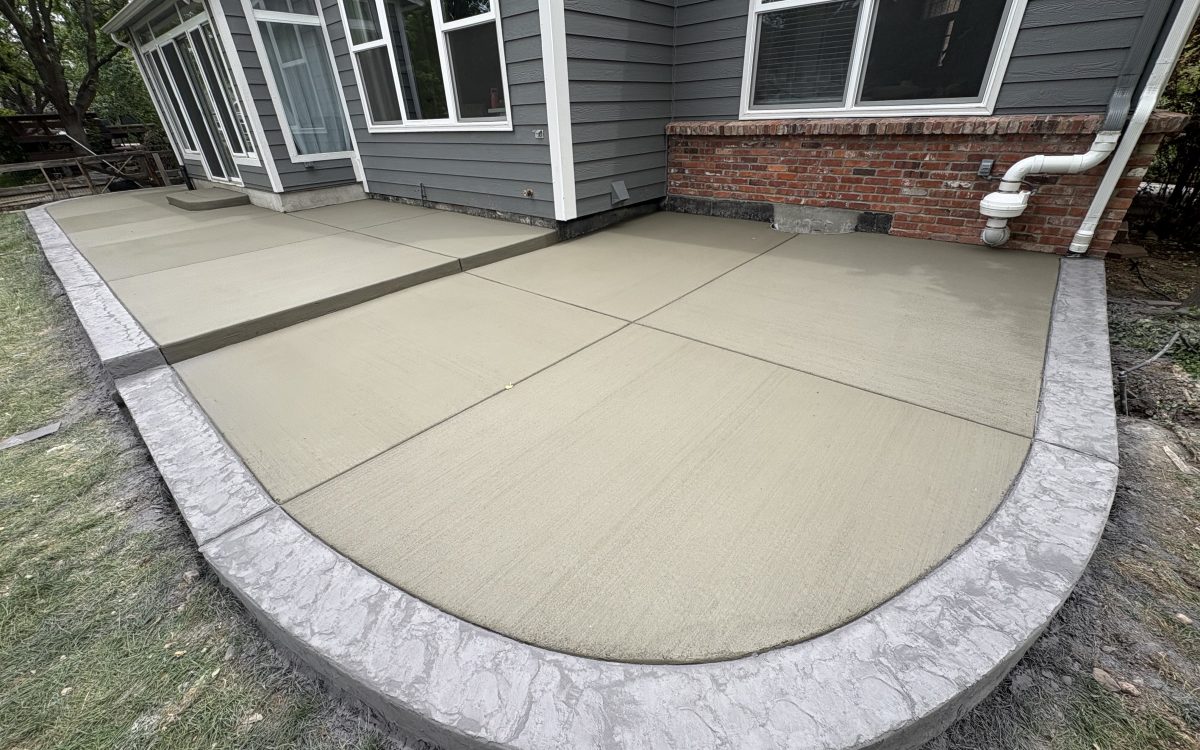
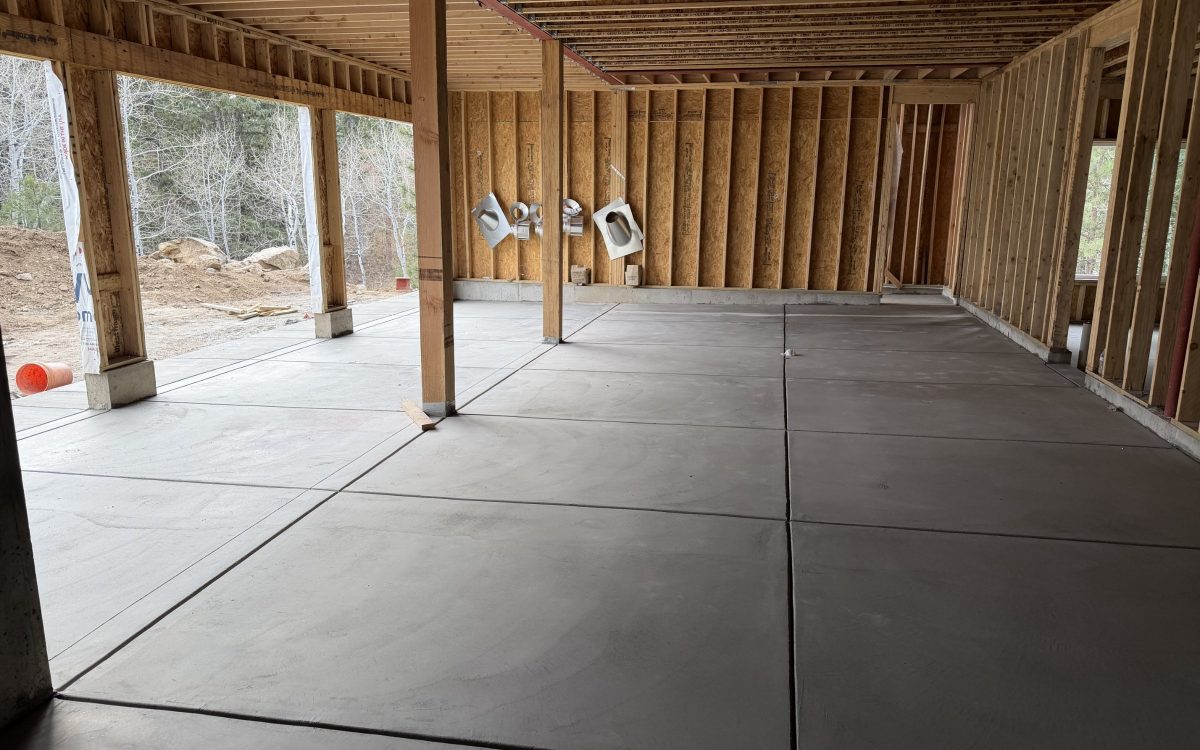
Recent repair & compliance work.
Service Areas.
04 / FAQ
Frequently Asked Questions.
Visible warning signs include vertical displacement between sidewalk panels (trip hazards), pooling water in parking stalls, spalling expansion joints, and hairline fractures running along building foundations or retaining structures. Shifting clay soils or tree root intrusions frequently cause these defects, which must be assessed early to prevent code violations and rapid asset deterioration.
Municipalities and insurance providers enforce strict standards regarding public walkways and commercial parking environments, particularly regarding federal ADA slope and trip hazard guidelines. A proactive inspection provides precise hazard mapping and a documented maintenance trail, demonstrating due diligence. Addressing a half-inch panel lip early eliminates injury risks and insulates owners from costly slip-and-fall personal injury claims.
Inspectors conduct comprehensive site walks evaluating pavement slope angles, subgrade settling patterns, drainage pan water flow efficiency, curb integrity, and expansion joint breakdown tracking. The evaluation reviews common areas, multi-family walkways, dumpster pads, and delivery zones to establish a complete structural health profile for the real estate holding.
The inspection division prioritizes rapid professional communication, delivering a comprehensive digital report within 48 to 72 hours of the site walk. The document features itemized repair options, photographic hazard mapping, code compliance warnings, and strategic budget prioritization to help asset managers make informed capital deployment decisions.
Yes. Subgrade erosion, shifting clay soils, and moisture voids frequently develop beneath flatwork long before the concrete shell collapses or fractures. Regular auditing catches these hidden subsurface changes early, enabling targeted interventions like void filling or localized grading adjustments before an entire multi-ton parking lot or sidewalk system fails.
Secure a Heavy-Duty Industrial Bid Today.
Don't let cracked, uneven, or standard-grade concrete compromise an industrial property's value or cause costly operational delays. Call for an immediate project scoping consultation or submit a formal request online.